Track
Track 1: Nursing – Strength, Skills & Sustainability
This track deeply supports nurses through sessions on career longevity, burnout prevention, self-care practices, and professional identity. Practical workshops on wound care, stoma care, oral hygiene, and caring for bedridden patients help refine clinical competency. A panel discussion that encourages nurses to process their experiences, fostering emotional resilience and peer connection.
Track Leads:


Track 2: Debate & Quiz — Clinical Reasoning Through Competition
Designed to create excitement and intellectual engagement, this track blends critical thinking, teamwork, and rapid application of clinical knowledge. The debate fosters clarity of thought and structured argumentation, while the quiz challenges delegates through case-based, real-world scenarios — making learning dynamic and memorable.
Track Leads:







Track 3: Clinical Conundrums – Nephro & Pulmo
A case-heavy, problem-solving track exploring complexities in kidney and lung palliative care.
Nephro: Covers conservative management in CKD, symptom control, ethical dilemmas, and end-of-life care planning.
Pulmo: Focuses on breathlessness, chronic respiratory failure, lung cancer palliation, and home-based respiratory support. Real cases help translate guidelines into practice.
Track Leads:




Track 4: ASCO Joint Session – Oncology × Palliative Care
This collaborative track highlights how early and structured palliative integration improves prognosis, quality of life, and treatment outcomes. It includes communication models, shared decision-making, radiation for symptom relief, and frameworks for interdisciplinary coordination — making it essential for anyone working with cancer patients.
Track Leads:



Track 5: PG Track – Empowering the Next Generation
A highly practical track tailored for PG trainees. Sessions include year-wise expectations, common errors to avoid, coping with workload, OSCE walkthroughs, emergency management, and strategies to excel in theory and practical exams. It also introduces AI tools for thesis writing, covering ethical use, plagiarism pitfalls, and research efficiency.
Track Leads:



Track 6: Paediatric Palliative Care
This track highlights the unique needs of children and families. Sessions focus on shared care models, inter-disciplinary collaboration, and practical issues like neuro-irritability, sleep challenges, nutrition, and managing in-born metabolic disorders. A caregiver reflection session grounds the science in lived experience.
Track Leads:



Track 7: Arts & Humanities – The Human Side of Care
This creative track showcases how expressive therapies — art, play, flower therapy, yoga, chanting, storytelling, and narrative medicine — offer healing beyond medication. It explores theoretical underpinnings, therapeutic applications, and the role of humanities in medical education, research, and clinician well-being.
Track Leads:

Track 8: Clinical Conundrums – Neuro & Cardio
A focused deep dive into neurological and cardiac illness trajectories.
Neuro: Includes ACP in neurology, progressive disease pathways, decision-making capacity, and caregiver burden.
Cardio: Covers referral criteria, symptom control, advanced heart failure management, and prognostication. This track stresses multidisciplinary approaches for complex, high-burden illnesses.
Track Leads:


Track 9: Hospice Care – Vision, Design & Delivery
This track is essential for professionals building or running hospices. It covers quality standards, staffing frameworks, architectural design principles, and innovations in hospice-based research. Practical discussions explore funding strategies, donor engagement, and resource-allocation challenges in the Indian context. A unique highlight of this track is a “Shark Tank–style” segment, where participants can pitch innovative hospice care ideas to a panel of experts.
Track Leads:

Track 10: Policy Making – Driving Systemic Change
A systems-level track addressing the finance, governance, implementation, and regulation of palliative care. It covers EoL policy tools, opioid governance using blockchain, rational antibiotic use, and training frameworks like AETCOM. Ideal for leaders shaping state or national-level palliative care programs.
Track Leads:
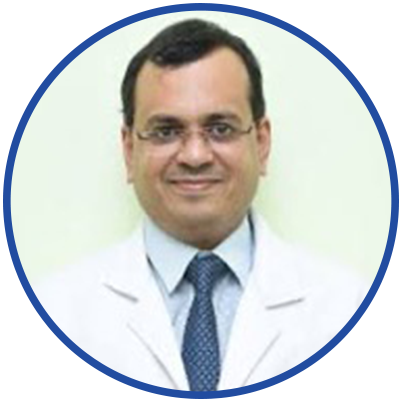
Track 11: Research & Education
This track pushes the field forward through sessions on AI, evidence-based practice, and the creation of robust core competencies for training programs. It emphasizes qualitative methods, mixed-method innovation, research gaps, and pathways to build strong academic foundations within Indian palliative care.
Track Leads:

Track 12: Psychosocial Issues
A powerful track addressing the emotional, ethical, and relational challenges in palliative care. Topics include moral distress, burnout resilience, suicidality management, psychopharmacology, complex grief, and family conflict. Role-play exercises bring realism to DNAR discussions and high-stakes conversations.
Track Leads:



Track 13: MASSC–IAPC Joint Track
This oncology-specialist track dives into hematological malignancies, complex cancer pain, opioid rotations, cachexia, and neurotoxicity prevention. It emphasizes supportive care in post-BMT patients, helping clinicians navigate one of the most complex subsets of cancer care.
Track Leads:


Track 14: Home Care – Care Beyond Walls
This practical track addresses logistics of delivering palliative care at home — including remote monitoring tools, emergency response strategies, prognostication support, caregiver partnerships, and community integration models. It offers solutions for traffic delays, resource constraints, and technology-based care coordination.
Track Leads:


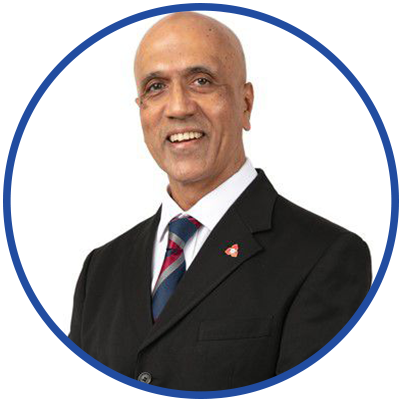
Track 15: Palliative Care in Remote Areas
Dedicated to equity and access, this track showcases models from rural India, especially those successfully integrating palliative care into primary healthcare systems. It discusses real-world barriers such as geography, staffing, cultural differences, and resource scarcity, while offering replicable strategies.
Track Leads:



Track 16: Community-Based Care & Volunteering
This track highlights the ecosystem of care beyond hospitals, emphasizing roles of social workers, community volunteers, NGOs, and caregivers. Sessions cover the economics of death, public engagement, and building sustainable volunteer programs to support serious-illness care.
Track Leads:


Track 17: Effective & Engaging Teaching Skills
Focused on transforming palliative care education, this track introduces practical teaching tools, simulation techniques, adult learning principles, and the interactive CARDiph game. Ideal for faculty and trainers looking to improve classroom and bedside teaching impact.
Track Leads:


Track 18: Social Media Skills & Clinical Advances
A dual-focus track that teaches clinicians to communicate compassionately and responsibly on social media, build professional visibility, and educate the public. It also covers clinical updates in pelvic cancer pain, postoperative pain, and the emerging field of precision palliative care.